

Preisverlauf (90 Tage)
Tiefstwert (90 Tage): 16,69 €
Trend
Stabile Preise
Basierend auf den letzten 14 Tagen des Preisverlaufs.
Hinweis: Amazon-Preise sind in der Preisverfolgung bzw. im Preisverlaufsgraphen nicht enthalten. Wir versenden keine Benachrichtigungen zu Produkten über Amazon.
Kundenbewertungen
4.7/5
(3 Bewertungen)
Why Q Needs U: A history of our letters and how we use them
Hersteller:
Blink Publishing
· MPN: 11805155
 Finde Why Q Needs U: A history of our letters and how we use them
Produktfakten auf einen Blick zur EAN 9781785307430
- Hersteller
- Blink Publishing
- EAN
- 9781785307430
- Hersteller-Artikelnr.
- 11805155
- Kategorie
- Bücher
Produktbeschreibung
'Charming...in 26 brisk chapters [Bate] squeezes in a vivid portrait of each letter - but also much more than that. The book is a history of writing, a biography of the English language and an introduction to linguistic science, all smuggled into short, lively and entertaining stories.' The Economist 'A wonderful achievement! A breath-taking adventure through the alphabet - each letter a hero with a remarkable story to tell. An absolutely delightful read, filled with jewels of lightly worn scholarship and dazzling insight. I just couldn't recommend it more highly.' Steph
Preisvergleich
0 Angebote gefunden
Keine Angebote mit diesen Filterkriterien gefunden.
Filter zurücksetzen* Alle Preise inkl. MwSt., ggf. zzgl. Versandkosten. Preise und Verfügbarkeit können sich seit der letzten Aktualisierung geändert haben. Beim Klick auf „Zum Angebot" oder „Zum Shop" verlässt du EAN-Shopping.de und wirst zum jeweiligen Händler weitergeleitet. EAN-Shopping.de erhält ggf. eine Provision — für dich entstehen keine Mehrkosten. Letzte Aktualisierung: –.
Weitere Produkte von Blink Publishing

The Windsor Legacy: A Royal Dynasty of Secrets, Scandal and
Blink Publishing
ab 16,69 €
inkl. MwSt.
1 Anbieter im Vergleich

The Only Study Guide You'll Ever Need: Simple tips, tricks a
Blink Publishing
ab 16,69 €
inkl. MwSt.
1 Anbieter im Vergleich

It's Okay Not to Get Along with Everyone: The Korean Non-Fic
Blink Publishing
ab 17,05 €
inkl. MwSt.
1 Anbieter im Vergleich

Raising Brows: My Story of Building a Billion-Dollar Beauty
Blink Publishing
ab 14,92 €
inkl. MwSt.
1 Anbieter im Vergleich
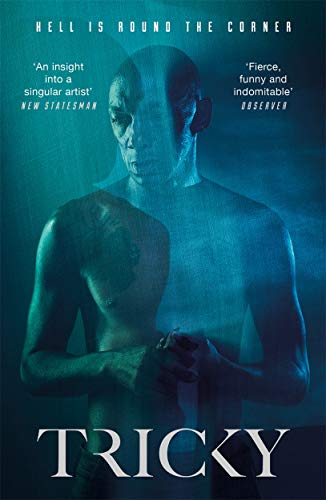
Hell Is Round the Corner: The Unique No-Holds Barred Autobio
Blink Publishing
ab 13,15 €
inkl. MwSt.
1 Anbieter im Vergleich
Weitere Produkte in „Bücher“
Alle in Kategorie →

Japanisch–deutsches Zeichenwörterbuch: Rund 20.000 japanisch
Buske Helmut Verlag Gmbh
ab 48,00 €
inkl. MwSt.
1 Anbieter im Vergleich

Georgische Schrift & Typographie / Georgian Script & Typogra
Buske Helmut Verlag Gmbh
ab 29,00 €
inkl. MwSt.
1 Anbieter im Vergleich

Literarisches Schreiben als Handwerk: Themen und Techniken f
Daedalus
ab 22,00 €
inkl. MwSt.
1 Anbieter im Vergleich

Jourist, Igor: Illustrierter Sprachführer Russisch-Deutsch f
Jourist Verlag Gmbh
ab 7,99 €
inkl. MwSt.
1 Anbieter im Vergleich

Die indogermanischen Sprachen: Von der Vorgeschichte bis zur
Buske Helmut Verlag Gmbh
ab 68,00 €
inkl. MwSt.
1 Anbieter im Vergleich