Bildquelle: preigu de
Preisverlauf (90 Tage)
Tiefstwert (90 Tage): 32,00 €
Trend
Stabile Preise
Basierend auf den letzten 14 Tagen des Preisverlaufs.
Browser-Benachrichtigung bei PreissenkungWir melden uns, sobald es günstiger wird als heute (32,00 €) — höchstens einmal am Tag. Ohne E-Mail, ohne Konto, jederzeit abbestellbar. Amazon-Angebote sind ausgenommen. Datenschutz
Hinweis: Amazon-Preise sind in der Preisverfolgung bzw. im Preisverlaufsgraphen nicht enthalten. Wir versenden keine Benachrichtigungen zu Produkten über Amazon.
Kundenbewertungen
Noch keine Bewertungen vorhanden.
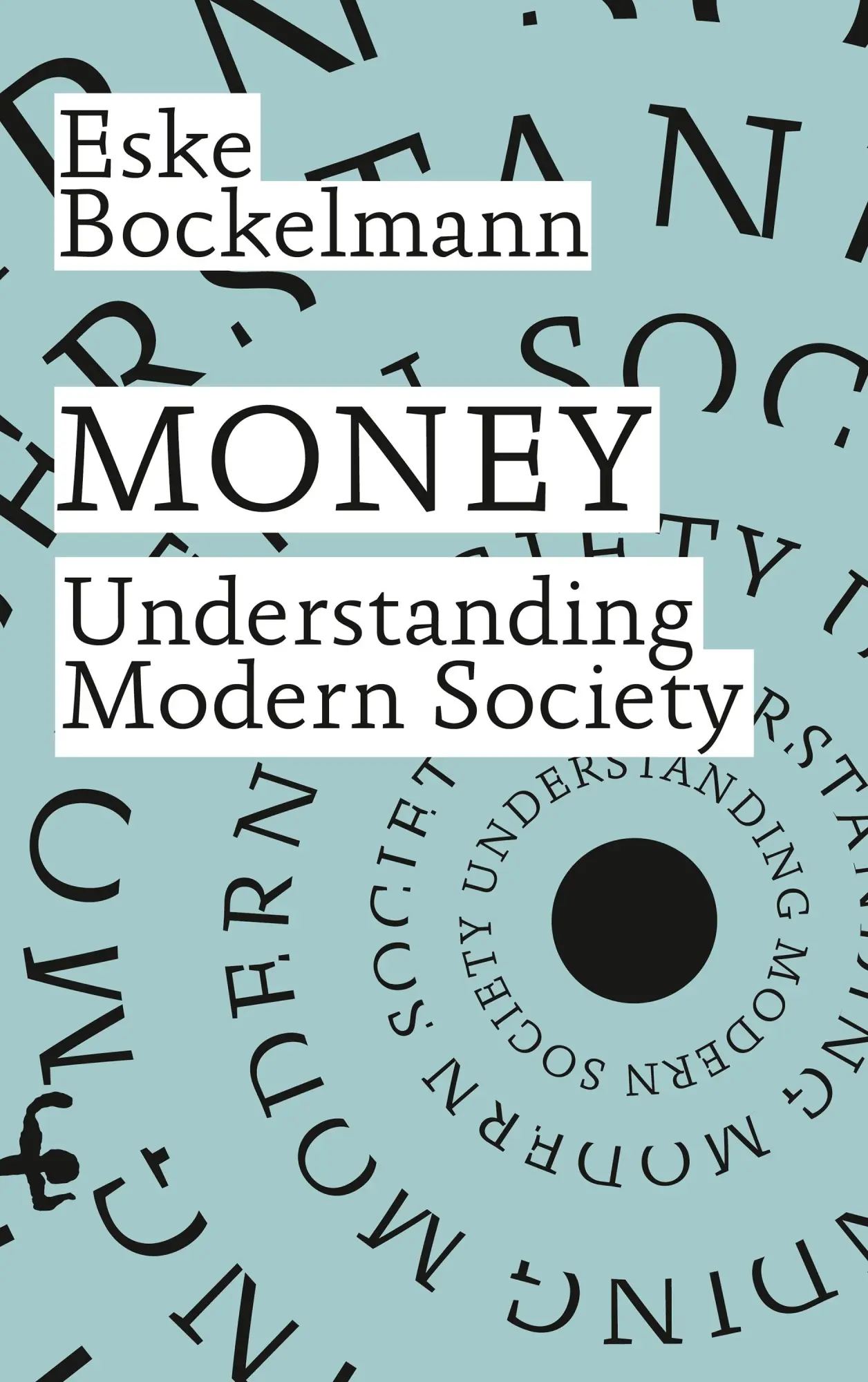
Bockelmann, Eske: Money. Understanding Modern Society
Hersteller:
Matthes & Seitz Verlag
· MPN: 11226448
Günstigster Preis
32,00 €
inkl. MwSt.
Bei 3 Anbietern im Vergleich
Zuletzt aktualisiert: 10.10.2026 18:13 Uhr
Bei buchserien.de kaufen — 32,00 €
Verfügbar · inkl. MwSt. · Versand k.A.
 Finde Bockelmann, Eske: Money. Understanding Modern Society
Produktfakten auf einen Blick zur EAN 9783751864077
- Hersteller
- Matthes & Seitz Verlag
- EAN
- 9783751864077
- Hersteller-Artikelnr.
- 11226448
- Günstigster Preis
- 32,00 € (buchserien.de)
- Anbieter im Vergleich
- 3 Shops
- Preise aktualisiert
- 10.10.2026 18:13 Uhr
Produktbeschreibung
Money. Understanding Modern Society | Understanding Modern Society | Eske Bockelmann | Taschenbuch
Preisvergleich
3 Angebote gefunden
1
buchserien.de
Aktualisiert: 10.10.2026 18:13 Uhr
32,00 €
inkl. MwSt.
Zum Angebot
2
medimops.de DE
Aktualisiert: 10.10.2026 14:16 Uhr
32,00 €
inkl. MwSt.
Zum Shop
3
preigu.de DE
Aktualisiert: 10.10.2026 18:12 Uhr
32,00 €
inkl. MwSt.
Zum Shop
* Alle Preise inkl. MwSt., ggf. zzgl. Versandkosten. Preise und Verfügbarkeit können sich seit der letzten Aktualisierung geändert haben. Beim Klick auf „Zum Angebot" oder „Zum Shop" verlässt du EAN-Shopping.de und wirst zum jeweiligen Händler weitergeleitet. EAN-Shopping.de erhält ggf. eine Provision — für dich entstehen keine Mehrkosten. Letzte Aktualisierung: 10.10.2026 18:13 Uhr.
Weitere Produkte von Matthes & Seitz Verlag

Rauch und Asche: Die geheime Geschichte des Opiums
Matthes & Seitz Verlag
ab 28,00 €
inkl. MwSt.
2 Anbieter im Vergleich

Der Wanderfalke (MSB Paperback)
Matthes & Seitz Verlag
ab 14,00 €
inkl. MwSt.
2 Anbieter im Vergleich

Palliativgesellschaft: Schmerz heute (Fröhliche Wissenschaft
Matthes & Seitz Verlag
ab 12,00 €
inkl. MwSt.
1 Anbieter im Vergleich

Kakteen: Ein Portrait (Naturkunden)
Matthes & Seitz Verlag
ab 22,00 €
inkl. MwSt.
2 Anbieter im Vergleich

Die Krise der Narration (Fröhliche Wissenschaft)
Matthes & Seitz Verlag
ab 12,00 €
inkl. MwSt.
2 Anbieter im Vergleich
Weitere Produkte in „“

Gute Nacht im Zoo: Kinderbuch Deutsch-Arabisch mit MP3-Hörbu
Volk, Katharina E.
ab 20,90 €
inkl. MwSt.
3 Anbieter im Vergleich

KIKUS Deutsch: Die Kikus-Methode. Ein Leitfaden mit Multilin
Edgardis Garlin
ab 36,50 €
inkl. MwSt.
3 Anbieter im Vergleich

Mein großer Sachen suchen Adventskalender, dekorativer Aufst
Ravensburger
ab 19,99 €
inkl. MwSt.
4 Anbieter im Vergleich

Wellerdiek, Jule: Kalle will nicht knuddeln - Eine Geschicht
Jule Wellerdiek
ab 16,00 €
inkl. MwSt.
3 Anbieter im Vergleich

Scarry Richard Tinker und Tanker
Richard Scarry
ab 18,00 €
inkl. MwSt.
3 Anbieter im Vergleich
Häufige Fragen zur EAN 9783751864077
Beantwortet aus dem Preisverlauf der letzten 90 Tage, den aktuellen Händlerangeboten, den vorliegenden Bewertungen und der Nachfrage.
Wo ist Bockelmann, Eske: Money. Understanding Modern Society am günstigsten?
Den niedrigsten Gesamtpreis bietet buchserien.de mit 32,00 € versandkostenfrei.
Ist Bockelmann, Eske: Money. Understanding Modern Society lieferbar?
Alle 3 Anbieter melden den Artikel derzeit als verfügbar.
Preisdaten zuletzt aktualisiert: 10.10.2026 18:13 Uhr