
Bildquelle: amazon.com
Preisverlauf (90 Tage)
Tiefstwert (90 Tage): 38,00 €
Trend
Stabile Preise
Basierend auf den letzten 14 Tagen des Preisverlaufs.
Browser-Benachrichtigung bei PreissenkungWir melden uns, sobald es günstiger wird als heute (38,00 €) — höchstens einmal am Tag. Ohne E-Mail, ohne Konto, jederzeit abbestellbar. Amazon-Angebote sind ausgenommen. Datenschutz
Hinweis: Amazon-Preise sind in der Preisverfolgung bzw. im Preisverlaufsgraphen nicht enthalten. Wir versenden keine Benachrichtigungen zu Produkten über Amazon.
Kundenbewertungen
Noch keine Bewertungen vorhanden.
Athens’ Polykatoikias 1930–1975
Hersteller:
Acc Art Books
· MPN: 6213016
Günstigster Preis
38,00 €
inkl. MwSt.
Bei 3 Anbietern im Vergleich
Zuletzt aktualisiert: 26.09.2026 18:17 Uhr
Bei averdo.com kaufen — 38,00 €
Verfügbar · inkl. MwSt. · Versand k.A.
 Finde Athens’ Polykatoikias 1930–1975
Produktfakten auf einen Blick zur EAN 9783987410703
- Hersteller
- Acc Art Books
- EAN
- 9783987410703
- Hersteller-Artikelnr.
- 6213016
- Günstigster Preis
- 38,00 € (averdo.com)
- Anbieter im Vergleich
- 3 Shops
- Preise aktualisiert
- 26.09.2026 18:17 Uhr
Produktbeschreibung
Athens' Polykatoikias 1930-1975 | Kilian Schmitz-Hübsch | Taschenbuch | 320 S. | Englisch | 2026
Preisvergleich
3 Angebote gefunden
1
averdo.com DE
Aktualisiert: 26.09.2026 18:07 Uhr
38,00 €
inkl. MwSt.
Zum Angebot
2
medimops.de DE
Aktualisiert: 26.09.2026 18:17 Uhr
38,00 €
inkl. MwSt.
Zum Shop
3
preigu.de DE
Aktualisiert: 26.09.2026 18:09 Uhr
38,00 €
inkl. MwSt.
Zum Shop
* Alle Preise inkl. MwSt., ggf. zzgl. Versandkosten. Preise und Verfügbarkeit können sich seit der letzten Aktualisierung geändert haben. Beim Klick auf „Zum Angebot" oder „Zum Shop" verlässt du EAN-Shopping.de und wirst zum jeweiligen Händler weitergeleitet. EAN-Shopping.de erhält ggf. eine Provision — für dich entstehen keine Mehrkosten. Letzte Aktualisierung: 26.09.2026 18:17 Uhr.
Weitere Produkte von Acc Art Books

Escapes - Winter: Traumstraßen im Schnee
Acc Art Books
ab 20,00 €
inkl. MwSt.
1 Anbieter im Vergleich

111 Places in Montreal That You Must Not Miss: Travel Guide
Acc Art Books
ab 18,00 €
inkl. MwSt.
1 Anbieter im Vergleich

Beyond Binary: Jeannette Petri
Acc Art Books
ab 35,00 €
inkl. MwSt.
1 Anbieter im Vergleich

CURVES Patagonien: Band 20 (Soulful Driving)
Acc Art Books
ab 19,90 €
inkl. MwSt.
1 Anbieter im Vergleich
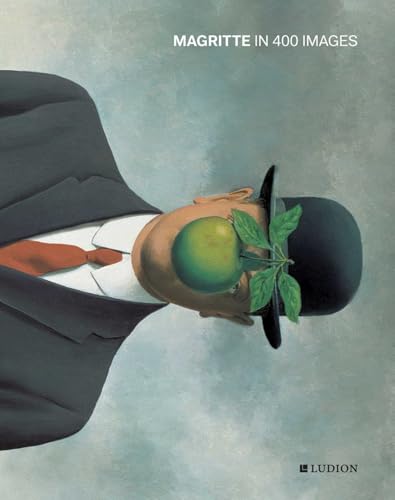
Magritte in 400 images
Acc Art Books
ab 26,93 €
inkl. MwSt.
1 Anbieter im Vergleich
Weitere Produkte in „“

Zukunft Bestand: Ökosoziale Transformation von Wohnhausanlag
Ruby Press
ab 28,00 €
inkl. MwSt.
1 Anbieter im Vergleich

Pitsou Kedem Architects: Twenty-Five Selected Projects (Arch
Hatje Cantz
ab 69,32 €
inkl. MwSt.
1 Anbieter im Vergleich

Mies van der Rohe: Raum - Material - Detail
Birkhauser
ab 39,95 €
inkl. MwSt.
1 Anbieter im Vergleich

non nobis – über das Bauen in der Zukunft Band 1: Ausgehen m
Kiligry
ab 49,00 €
inkl. MwSt.
1 Anbieter im Vergleich

Shelter Cookbook
Spector
ab 32,00 €
inkl. MwSt.
1 Anbieter im Vergleich
Häufige Fragen zur EAN 9783987410703
Beantwortet aus dem Preisverlauf der letzten 90 Tage, den aktuellen Händlerangeboten, den vorliegenden Bewertungen und der Nachfrage.
Wie gefragt ist Athens’ Polykatoikias 1930–1975?
Athens’ Polykatoikias 1930–1975 ist ein Nischenartikel mit geringer Nachfrage. Solche Produkte sind seltener verfügbar, dafür lohnt der Preisvergleich oft besonders. Einschätzung auf Basis der Verkaufsdaten von 08/2026.
Ist Athens’ Polykatoikias 1930–1975 lieferbar?
Alle 3 Anbieter melden den Artikel derzeit als verfügbar.
Wo ist Athens’ Polykatoikias 1930–1975 am günstigsten?
Den niedrigsten Gesamtpreis bietet averdo.com mit 38,00 € versandkostenfrei.
Preisdaten zuletzt aktualisiert: 26.09.2026 18:17 Uhr