
Bildquelle: amazon.com
Preisverlauf (90 Tage)
Tiefstwert (90 Tage): 16,58 €
Trend
Fallende Preise
Basierend auf den letzten 14 Tagen des Preisverlaufs.
Browser-Benachrichtigung bei PreissenkungWir melden uns, sobald es günstiger wird als heute (16,58 €) — höchstens einmal am Tag. Ohne E-Mail, ohne Konto, jederzeit abbestellbar. Amazon-Angebote sind ausgenommen. Datenschutz
Hinweis: Amazon-Preise sind in der Preisverfolgung bzw. im Preisverlaufsgraphen nicht enthalten. Wir versenden keine Benachrichtigungen zu Produkten über Amazon.
Kundenbewertungen
4,3/5
(3 Bewertungen)
Clayton, Ingrid: Fawning
Hersteller:
G.p. Putnam's Sons
· MPN: 11448904
Günstigster Preis
16,58 €
inkl. MwSt.
Bei 2 Anbietern im Vergleich
Zuletzt aktualisiert: 01.10.2026 06:21 Uhr
Bei preigu.de kaufen — 16,58 €
Verfügbar · inkl. MwSt. · Versand k.A. · 1-2 Werktage
 Finde Clayton, Ingrid: Fawning
Produktfakten auf einen Blick zur EAN 9798217178964
- Hersteller
- G.P. Putnam's Sons
- EAN
- 9798217178964
- Hersteller-Artikelnr.
- 11448904
- Kategorie
- Bücher
- Günstigster Preis
- 16,58 € (preigu.de)
- Anbieter im Vergleich
- 2 Shops
- Preise aktualisiert
- 01.10.2026 06:21 Uhr
Produktbeschreibung
Fawning | Ingrid Clayton | Taschenbuch | XIV | Englisch | 2025 | Penguin LLC US | EAN 9798217178964
Preisvergleich
2 Angebote gefunden
1
preigu.de DE
Aktualisiert: 01.10.2026 06:11 Uhr
18,40 €
inkl. MwSt.
Zum Angebot
2
medimops.de DE
Aktualisiert: 01.10.2026 06:21 Uhr
16,58 €
inkl. MwSt.
Gesamt:
18,57 €
Zum Shop
* Alle Preise inkl. MwSt., ggf. zzgl. Versandkosten. Preise und Verfügbarkeit können sich seit der letzten Aktualisierung geändert haben. Beim Klick auf „Zum Angebot" oder „Zum Shop" verlässt du EAN-Shopping.de und wirst zum jeweiligen Händler weitergeleitet. EAN-Shopping.de erhält ggf. eine Provision — für dich entstehen keine Mehrkosten. Letzte Aktualisierung: 01.10.2026 06:21 Uhr.
Weitere Produkte von G.p. Putnam's Sons
Alle Produkte →

Currie, Ron: The Savage, Noble Death of Babs Dionne
G.p. Putnam's Sons
ab 17,05 €
inkl. MwSt.
1 Anbieter im Vergleich

All That Life Can Afford: Reese's Book Club
G.p. Putnam's Sons
ab 16,69 €
inkl. MwSt.
1 Anbieter im Vergleich

Twisted Twenty-Six: A Stephanie Plum Novel
G.p. Putnam's Sons
ab 11,39 €
inkl. MwSt.
1 Anbieter im Vergleich

Kurisu, Hiyoko: The Amberglow Candy Store
G.p. Putnam's Sons
ab 17,05 €
inkl. MwSt.
1 Anbieter im Vergleich

Where the Crawdads Sing: Reese's Book Club (A Novel)
G.p. Putnam's Sons
ab 11,03 €
inkl. MwSt.
1 Anbieter im Vergleich
Weitere Produkte in „Bücher“
Alle in Kategorie →

Selbstakzeptanz-Schatzkiste für Therapie und Beratung: 120 K
Beltz
ab 32,94 €
inkl. MwSt.
1 Anbieter im Vergleich

Richtig gut für mich!: Impulse zur Selbstfürsorge für Kinder
Beltz
ab 31,45 €
inkl. MwSt.
1 Anbieter im Vergleich
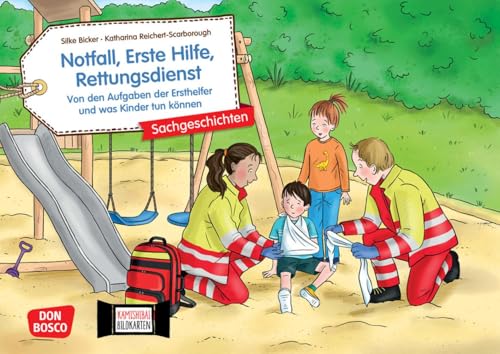
Notfall, Erste Hilfe, Rettungsdienst. Von den Aufgaben der E
Don Bosco
ab 19,41 €
inkl. MwSt.
1 Anbieter im Vergleich

Courage Castle - Wege aus der Angst: Therapiespiel für die t
Beltz
ab 105,42 €
inkl. MwSt.
1 Anbieter im Vergleich

Selber machen statt kaufen – Küche - 3. Auflage, aktualisier
Happy Minimalist Gmbh
ab 17,95 €
inkl. MwSt.
2 Anbieter im Vergleich
Häufige Fragen zur EAN 9798217178964
Beantwortet aus dem Preisverlauf der letzten 90 Tage, den aktuellen Händlerangeboten, den vorliegenden Bewertungen und der Nachfrage.
Ist Clayton, Ingrid: Fawning gerade günstig?
Aktuell liegt der günstigste Preis bei 16,58 €. Das ist praktisch der niedrigste Stand der letzten 90 Tage (16,58 €). Zuletzt ist der Preis gefallen.
Wie gefragt ist Clayton, Ingrid: Fawning?
Clayton, Ingrid: Fawning ist ein Nischenartikel mit geringer Nachfrage. Solche Produkte sind seltener verfügbar, dafür lohnt der Preisvergleich oft besonders. Einschätzung auf Basis der Verkaufsdaten von 07/2026.
Wo ist Clayton, Ingrid: Fawning am günstigsten?
Den niedrigsten Gesamtpreis bietet preigu.de mit 18,40 € versandkostenfrei. Der niedrigste reine Artikelpreis liegt zwar bei 16,58 €, mit Versand wird dieses Angebot aber teurer.
Wie gut ist Clayton, Ingrid: Fawning bewertet?
Clayton, Ingrid: Fawning kommt auf 4,3 von 5 Sternen aus 3 Bewertungen. Das ist eine gute Bewertung. Bei dieser geringen Zahl an Stimmen ist der Wert allerdings noch wenig belastbar. Der Preis liegt derzeit nahe am 90-Tage-Tief.
Wie stark schwankt der Preis für Clayton, Ingrid: Fawning?
In den letzten 90 Tagen bewegte sich der günstigste Preis zwischen 16,58 € und 18,45 € — eine Spanne von 11 %. Gemessen an 89 Tagen mit Preisdaten.
Preisdaten zuletzt aktualisiert: 01.10.2026 06:21 Uhr