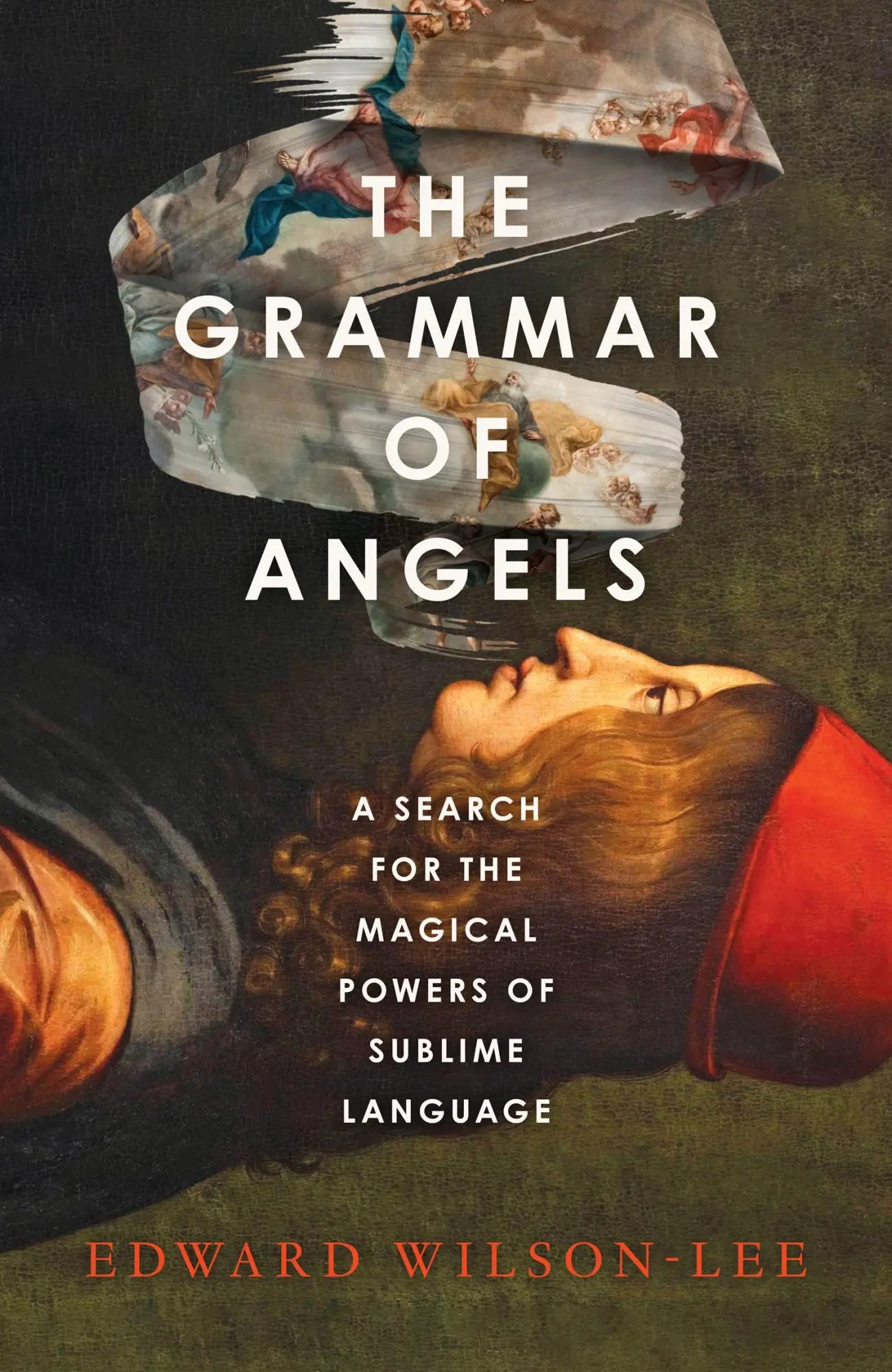
Bildquelle: preigu de
Preisverlauf (90 Tage)
Tiefstwert (90 Tage): 24,98 €
Trend
Stabile Preise
Basierend auf den letzten 14 Tagen des Preisverlaufs.
Browser-Benachrichtigung bei PreissenkungWir melden uns, sobald es günstiger wird als heute (25,75 €) — höchstens einmal am Tag. Ohne E-Mail, ohne Konto, jederzeit abbestellbar. Amazon-Angebote sind ausgenommen. Datenschutz
Hinweis: Amazon-Preise sind in der Preisverfolgung bzw. im Preisverlaufsgraphen nicht enthalten. Wir versenden keine Benachrichtigungen zu Produkten über Amazon.
Kundenbewertungen
Noch keine Bewertungen vorhanden.
The Grammar of Angels: A Search for the Magical Powers of Language in Renaissance Italy
Hersteller:
Wilson-Lee, Edward
· MPN: 9241888
Günstigster Preis
25,75 €
inkl. MwSt.
Bei 2 Anbietern im Vergleich
Zuletzt aktualisiert: 08.10.2026 18:23 Uhr
Bei averdo.com kaufen — 25,75 €
Verfügbar · inkl. MwSt. · Versand k.A.
 Finde The Grammar of Angels: A Search for the Magical Powers of La…
Produktfakten auf einen Blick zur EAN 9780008621797
- Hersteller
- Wilson-Lee, Edward
- EAN
- 9780008621797
- Hersteller-Artikelnr.
- 9241888
- Günstigster Preis
- 25,75 € (averdo.com)
- Anbieter im Vergleich
- 2 Shops
- Preise aktualisiert
- 08.10.2026 18:23 Uhr
Produktbeschreibung
The Grammar of Angels | A Search for the Magical Powers of Language | Edward Wilson-Lee | Buch
Preisvergleich
2 Angebote gefunden
1
averdo.com DE
Aktualisiert: 08.10.2026 18:22 Uhr
25,75 €
inkl. MwSt.
Zum Angebot
2
buchserien.de
Aktualisiert: 08.10.2026 18:23 Uhr
31,50 €
inkl. MwSt.
Zum Shop
* Alle Preise inkl. MwSt., ggf. zzgl. Versandkosten. Preise und Verfügbarkeit können sich seit der letzten Aktualisierung geändert haben. Beim Klick auf „Zum Angebot" oder „Zum Shop" verlässt du EAN-Shopping.de und wirst zum jeweiligen Händler weitergeleitet. EAN-Shopping.de erhält ggf. eine Provision — für dich entstehen keine Mehrkosten. Letzte Aktualisierung: 08.10.2026 18:23 Uhr.
Weitere Produkte in „“

You're Dad: A Little Book for Fathers (And the People Who Lo
Climo, Liz
ab 11,97 €
inkl. MwSt.
3 Anbieter im Vergleich
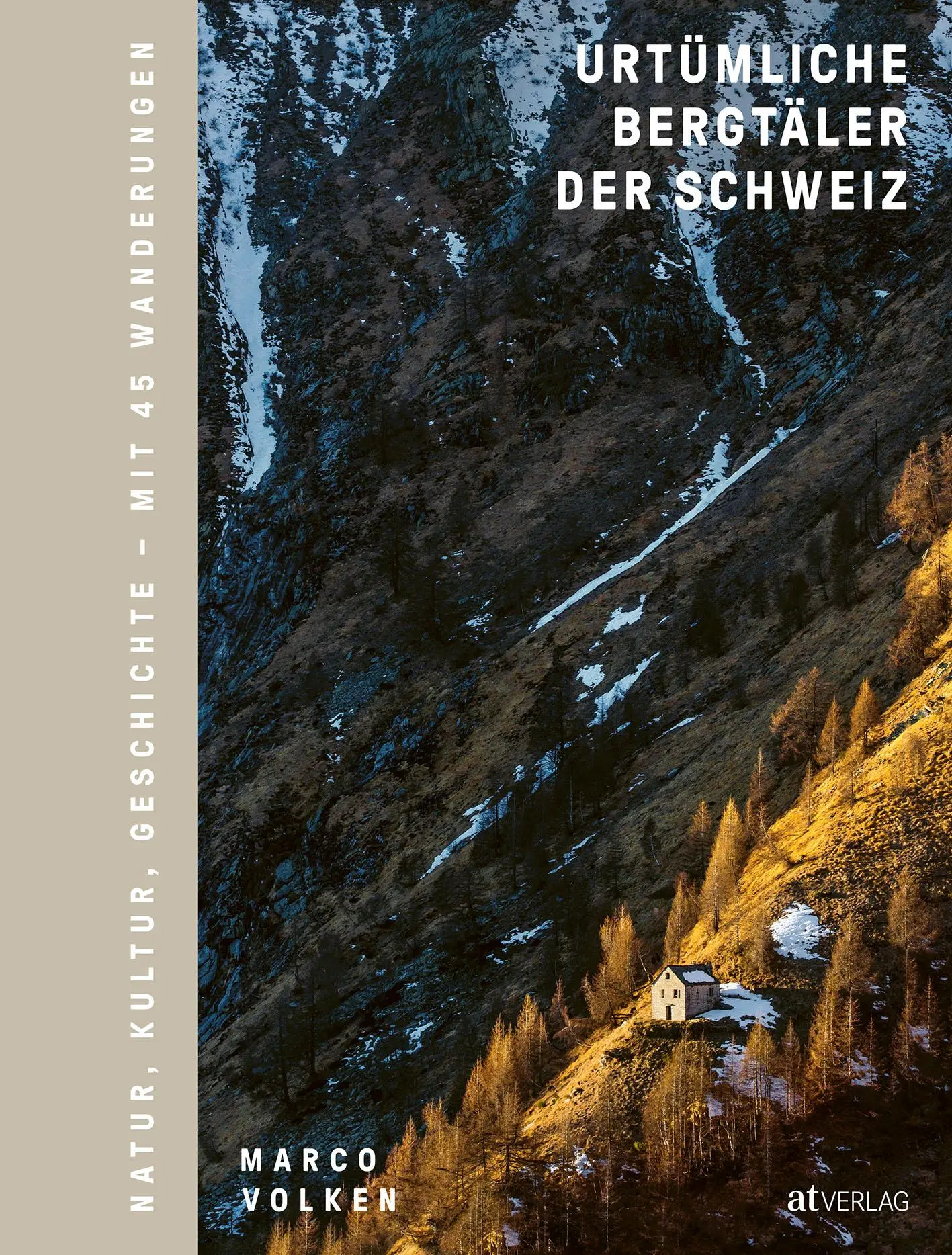
Urtümliche Bergtäler der Schweiz: Geschichte, Natur, Kultur
Volken, Marco
ab 46,00 €
inkl. MwSt.
3 Anbieter im Vergleich
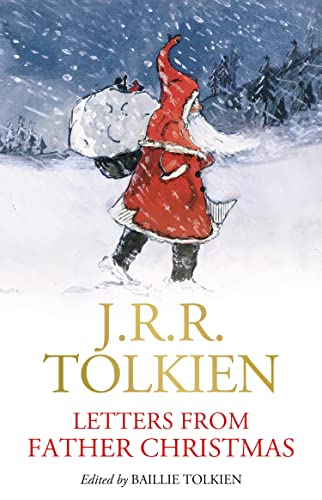
Tolkien, J. R. R.: Letters from Father Christmas
Tolkien, J. R. R.
ab 19,78 €
inkl. MwSt.
3 Anbieter im Vergleich
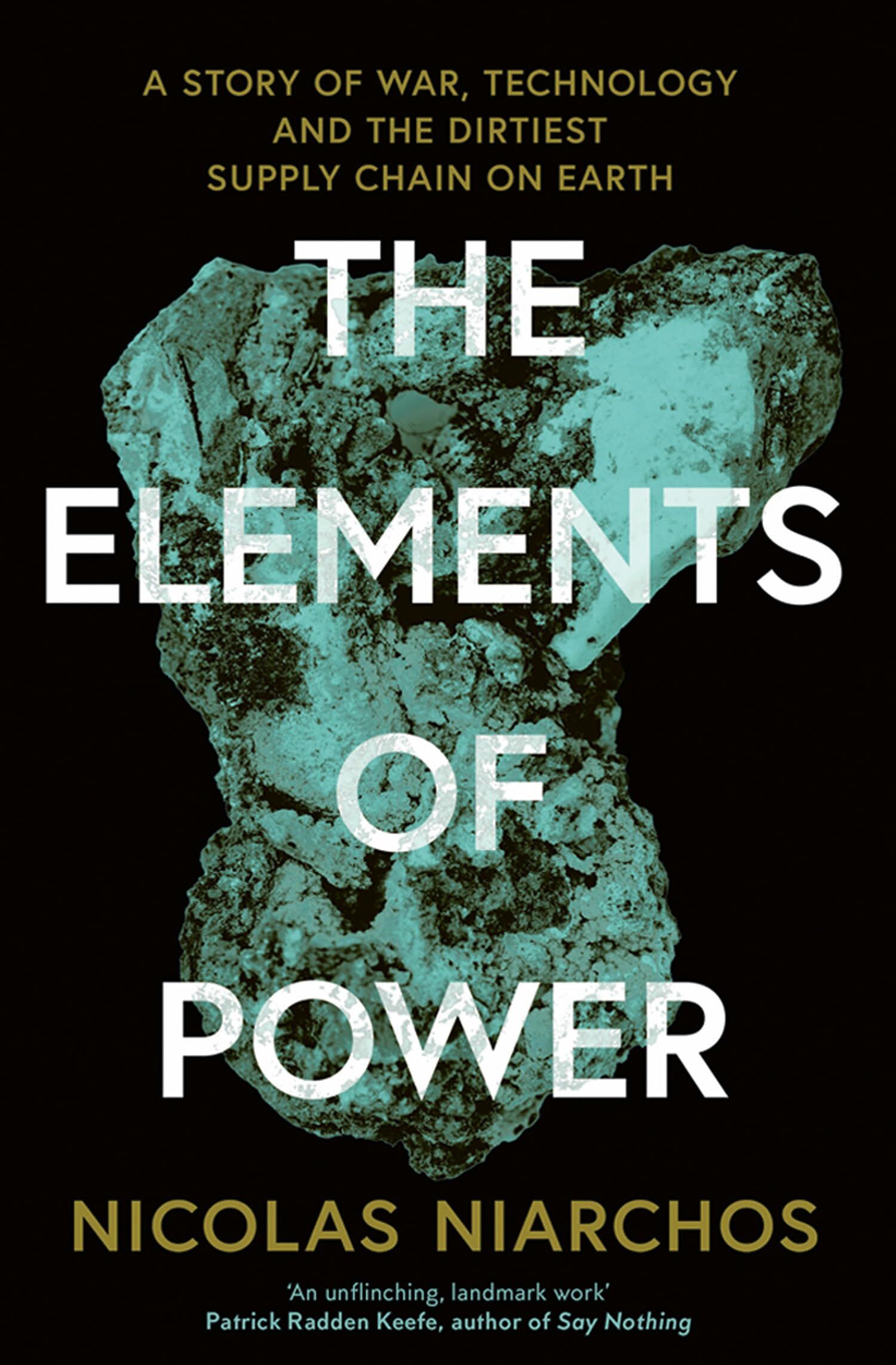
Niarchos, Nicolas: The Elements of Power
Nicolas Niarchos
ab 18,36 €
inkl. MwSt.
3 Anbieter im Vergleich

Jeffers, Oliver: There's a Ghost in this House
Oliver Jeffers
ab 21,10 €
inkl. MwSt.
3 Anbieter im Vergleich
Häufige Fragen zur EAN 9780008621797
Beantwortet aus dem Preisverlauf der letzten 90 Tage, den aktuellen Händlerangeboten, den vorliegenden Bewertungen und der Nachfrage.
Ist The Grammar of Angels: A Search for the Magical Powers of Language in… gerade günstig?
Aktuell liegt der günstigste Preis bei 25,75 €. Das sind 3 % über dem 90-Tage-Tief von 24,98 € — für diesen Zeitraum ein günstiger Wert.
Wo ist The Grammar of Angels: A Search for the Magical Powers of Language in… am günstigsten?
Den niedrigsten Gesamtpreis bietet averdo.com mit 25,75 € versandkostenfrei.
Wie stark schwankt der Preis für The Grammar of Angels: A Search for the Magical Powers of Language in…?
In den letzten 90 Tagen bewegte sich der günstigste Preis zwischen 24,98 € und 26,33 € — eine Spanne von 5 %. Gemessen an 87 Tagen mit Preisdaten.
Preisdaten zuletzt aktualisiert: 08.10.2026 18:23 Uhr