
Bildquelle: amazon.com
Preisverlauf (90 Tage)
Tiefstwert (90 Tage): 13,51 €
Trend
Steigende Preise
Basierend auf den letzten 14 Tagen des Preisverlaufs.
Browser-Benachrichtigung bei PreissenkungWir melden uns, sobald es günstiger wird als heute (14,50 €) — höchstens einmal am Tag. Ohne E-Mail, ohne Konto, jederzeit abbestellbar. Amazon-Angebote sind ausgenommen. Datenschutz
Hinweis: Amazon-Preise sind in der Preisverfolgung bzw. im Preisverlaufsgraphen nicht enthalten. Wir versenden keine Benachrichtigungen zu Produkten über Amazon.
Kundenbewertungen
Noch keine Bewertungen vorhanden.
The Windup Girl: Winner of Five Major SF Awards
Hersteller:
Orbit
· MPN: 1026750
Günstigster Preis
14,50 €
inkl. MwSt.
Bei 1 Anbieter im Vergleich
Zuletzt aktualisiert: 10.10.2026 18:13 Uhr
Bei buchserien.de kaufen — 14,50 €
Verfügbar · inkl. MwSt. · Versand k.A.
 Finde The Windup Girl: Winner of Five Major SF Awards
Produktfakten auf einen Blick zur EAN 9780356500539
- Hersteller
- Orbit
- EAN
- 9780356500539
- Hersteller-Artikelnr.
- 1026750
- Günstigster Preis
- 14,50 € (buchserien.de)
- Anbieter im Vergleich
- 1 Shops
- Preise aktualisiert
- 10.10.2026 18:13 Uhr
Produktbeschreibung
New Mint Condition
Preisvergleich
1 Angebote gefunden
* Alle Preise inkl. MwSt., ggf. zzgl. Versandkosten. Preise und Verfügbarkeit können sich seit der letzten Aktualisierung geändert haben. Beim Klick auf „Zum Angebot" oder „Zum Shop" verlässt du EAN-Shopping.de und wirst zum jeweiligen Händler weitergeleitet. EAN-Shopping.de erhält ggf. eine Provision — für dich entstehen keine Mehrkosten. Letzte Aktualisierung: 10.10.2026 18:13 Uhr.
Weitere Produkte von Orbit
Alle Produkte →

Angel of Storms: The gripping fantasy adventure of danger an
Orbit
ab 13,51 €
inkl. MwSt.
1 Anbieter im Vergleich

Canavan, Trudi: The Traitor Spy Trilogy 03. The Traitor Quee
Orbit
ab 13,15 €
inkl. MwSt.
1 Anbieter im Vergleich

Ambessa: Chosen of the Wolf: A League of Legends: Arcane Nov
Orbit
ab 16,69 €
inkl. MwSt.
1 Anbieter im Vergleich
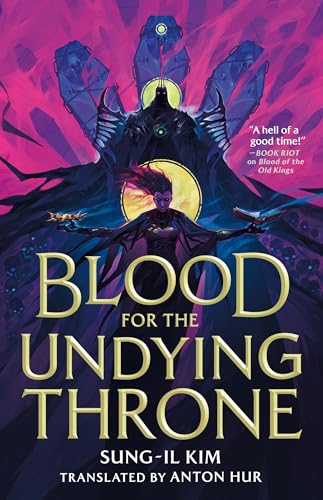
Blood for the Undying Throne: Book Two of the Bleeding Empir
Orbit
ab 18,45 €
inkl. MwSt.
1 Anbieter im Vergleich
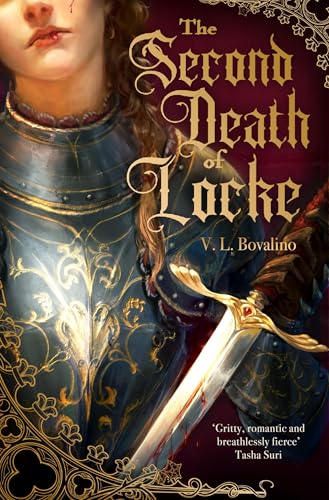
The Second Death of Locke: the devastatingly romantic instan
Orbit
ab 18,45 €
inkl. MwSt.
1 Anbieter im Vergleich
Weitere Produkte in „“
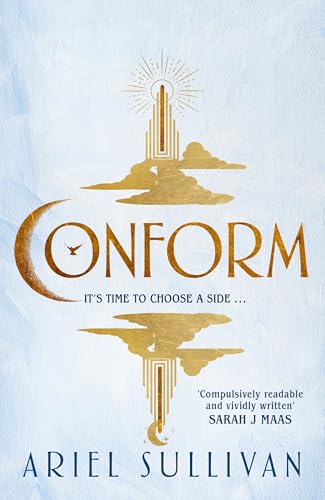
Conform: For fans of The Hunger Games - a compulsive dystopi
Macmillan
ab 17,05 €
inkl. MwSt.
1 Anbieter im Vergleich

Shadows of Self: A Mistborn Novel
Tor Fantasy
ab 11,74 €
inkl. MwSt.
1 Anbieter im Vergleich

The Antique Hunter's: Death on the Red Sea: The Second Insta
Pan
ab 12,80 €
inkl. MwSt.
1 Anbieter im Vergleich

Manhattan Down: The compulsive new high-concept thriller fro
Bantam
ab 16,69 €
inkl. MwSt.
1 Anbieter im Vergleich

1979: The unmissable first thriller in an electrifying new s
Sphere
ab 12,80 €
inkl. MwSt.
1 Anbieter im Vergleich
Häufige Fragen zur EAN 9780356500539
Beantwortet aus dem Preisverlauf der letzten 90 Tage, den aktuellen Händlerangeboten, den vorliegenden Bewertungen und der Nachfrage.
Ist The Windup Girl: Winner of Five Major SF Awards gerade günstig?
Aktuell liegt der günstigste Preis bei 14,50 €. Das sind 7 % über dem 90-Tage-Tief von 13,51 € — für diesen Zeitraum ein günstiger Wert. Zuletzt ist der Preis gestiegen.
Wie stark schwankt der Preis für The Windup Girl: Winner of Five Major SF Awards?
In den letzten 90 Tagen bewegte sich der günstigste Preis zwischen 13,51 € und 14,50 € — eine Spanne von 7 %. Gemessen an 54 Tagen mit Preisdaten.
Wie gefragt ist The Windup Girl: Winner of Five Major SF Awards?
The Windup Girl: Winner of Five Major SF Awards wird regelmäßig gekauft — eine solide Nachfrage, aber keine Spitzenposition. Einschätzung auf Basis der Verkaufsdaten von 07/2026.
Preisdaten zuletzt aktualisiert: 10.10.2026 18:13 Uhr