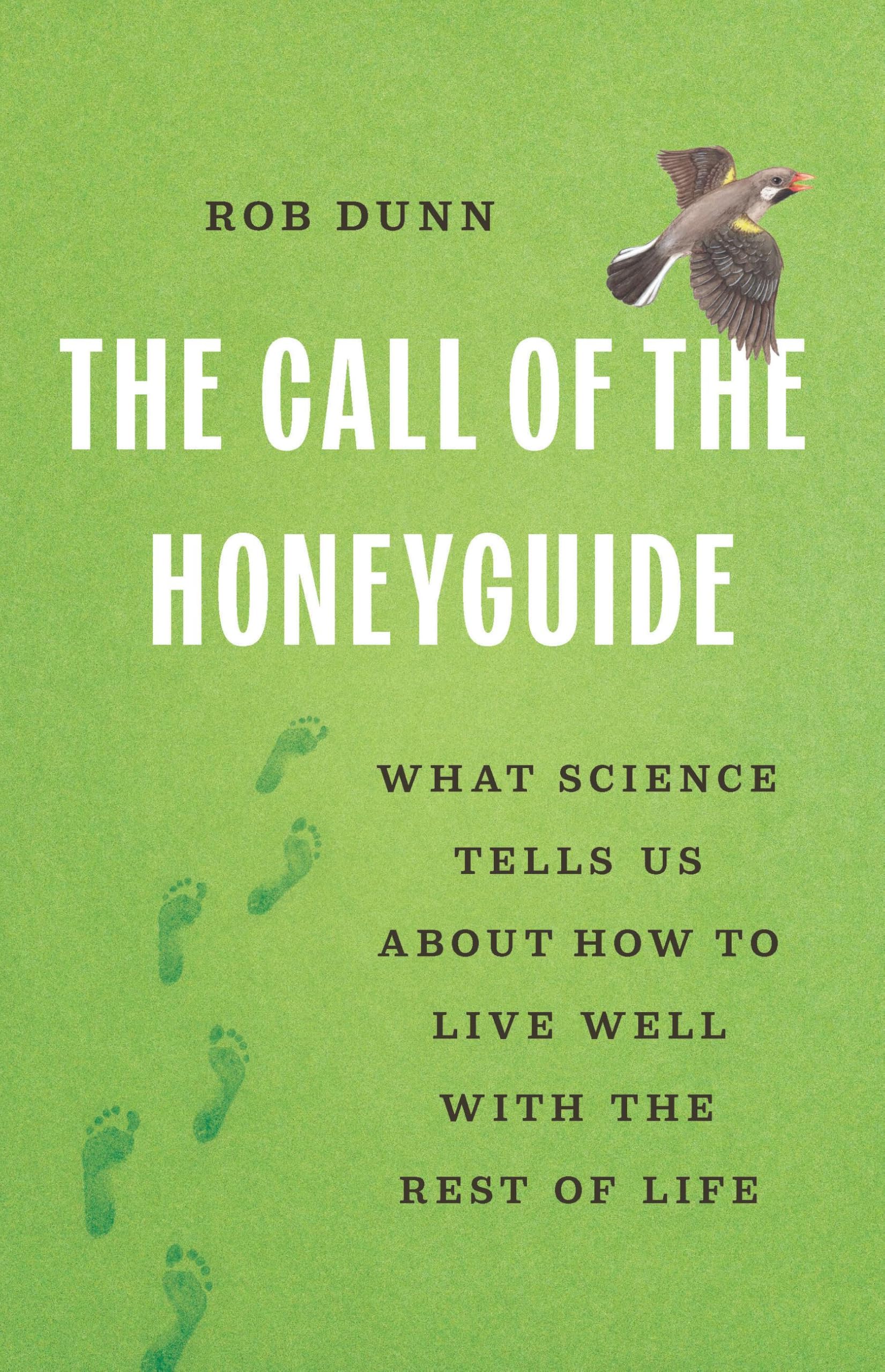
Bildquelle: medimops.de
Preisverlauf (90 Tage)
Tiefstwert (90 Tage): 24,46 €
Trend
Stabile Preise
Basierend auf den letzten 14 Tagen des Preisverlaufs.
Browser-Benachrichtigung bei PreissenkungWir melden uns, sobald es günstiger wird als heute (27,58 €) — höchstens einmal am Tag. Ohne E-Mail, ohne Konto, jederzeit abbestellbar. Amazon-Angebote sind ausgenommen. Datenschutz
Hinweis: Amazon-Preise sind in der Preisverfolgung bzw. im Preisverlaufsgraphen nicht enthalten. Wir versenden keine Benachrichtigungen zu Produkten über Amazon.
Kundenbewertungen
Noch keine Bewertungen vorhanden.
The Call of the Honeyguide: What Science Tells Us about How to Live Well with the Rest of Life
Hersteller:
Rob Dunn
· MPN: 10928956
Günstigster Preis
27,58 €
inkl. MwSt.
Bei 2 Anbietern im Vergleich
Zuletzt aktualisiert: 10.10.2026 18:18 Uhr
Bei medimops.de kaufen — 27,58 €
Verfügbar · inkl. MwSt. · Versand k.A.
 Finde The Call of the Honeyguide: What Science Tells Us about How …
Produktfakten auf einen Blick zur EAN 9781541605732
- Hersteller
- Rob Dunn
- EAN
- 9781541605732
- Hersteller-Artikelnr.
- 10928956
- Kategorie
- Bücher
- Günstigster Preis
- 27,58 € (medimops.de)
- Anbieter im Vergleich
- 2 Shops
- Preise aktualisiert
- 10.10.2026 18:18 Uhr
Produktbeschreibung
A "soulful tribute" ( New York Times ) that shows how rethinking our relationships with other species can help us reimagine the future of humankind A New York Times Notable Book of the Year In the woodlands of sub-Saharan Africa sometime deep in our species’ past something strange happened: a bird called out not to warn others of human presence but to call attention to herself. Having found a beehive that bird—a honeyguide—sought human aid to break in. The behavior can seem almost miraculous: How would a bird come to think that people could help her? Isn’t life simply bloodier tha
Preisvergleich
2 Angebote gefunden
1
medimops.de DE
Aktualisiert: 10.10.2026 18:18 Uhr
27,58 €
inkl. MwSt.
Zum Angebot
2
buchserien.de
Aktualisiert: 10.10.2026 18:13 Uhr
31,00 €
inkl. MwSt.
Zum Shop
* Alle Preise inkl. MwSt., ggf. zzgl. Versandkosten. Preise und Verfügbarkeit können sich seit der letzten Aktualisierung geändert haben. Beim Klick auf „Zum Angebot" oder „Zum Shop" verlässt du EAN-Shopping.de und wirst zum jeweiligen Händler weitergeleitet. EAN-Shopping.de erhält ggf. eine Provision — für dich entstehen keine Mehrkosten. Letzte Aktualisierung: 10.10.2026 18:18 Uhr.
Weitere Produkte von Rob Dunn

Weitere Produkte in „Bücher“
Alle in Kategorie →

10 x Rhodia Notizblock Rhodia Nr. 14 11x17cm liniert 80 Blat
Rhodia
ab 32,69 €
inkl. MwSt.
1 Anbieter im Vergleich

My Arcade Pocket Player Data East Portable 308 Spiele Retro-
Abystyle
ab 41,53 €
inkl. MwSt.
3 Anbieter im Vergleich

Akku Duracell DR9945 1020 mAh 7,4 V Lithium-Ion für Kamera
Duracell
ab 25,19 €
inkl. MwSt.
3 Anbieter im Vergleich

Rhodia 16600C Notizblock N.16 A5 80 Blatt liniert mit Rand O
Rhodia
ab 47,49 €
inkl. MwSt.
1 Anbieter im Vergleich

RETRO – Geh nicht online: Spannender Jugendthriller ab 12 Ja
Fischer Sauerländer
ab 16,90 €
inkl. MwSt.
2 Anbieter im Vergleich
Häufige Fragen zur EAN 9781541605732
Beantwortet aus dem Preisverlauf der letzten 90 Tage, den aktuellen Händlerangeboten, den vorliegenden Bewertungen und der Nachfrage.
Ist The Call of the Honeyguide: What Science Tells Us about How to Live We… gerade günstig?
Aktuell liegt der günstigste Preis bei 27,58 €. Das sind 13 % über dem 90-Tage-Tief von 24,46 € — für diesen Zeitraum ein günstiger Wert.
Wo ist The Call of the Honeyguide: What Science Tells Us about How to Live We… am günstigsten?
Den niedrigsten Gesamtpreis bietet medimops.de mit 27,58 € versandkostenfrei.
Wie stark schwankt der Preis für The Call of the Honeyguide: What Science Tells Us about How to Live We…?
In den letzten 90 Tagen bewegte sich der günstigste Preis zwischen 24,46 € und 27,58 € — eine Spanne von 13 %. Gemessen an 77 Tagen mit Preisdaten.
Preisdaten zuletzt aktualisiert: 10.10.2026 18:18 Uhr