Preisverlauf (90 Tage)
- Dieses Produkt Bestpreis seit 30.07.2026 um 5,0 % gestiegen (12,80 € → 13,44 €)
- Kategorie Bücher Preise in 90 Tagen stabil geblieben (Median von 1.018 Produkten)
Der Bestpreis hat sich teurer entwickelt als der Trend der Kategorie Bücher (5,0 Prozentpunkte darüber). Mit 13,44 € liegt der Bestpreis unter dem mittleren Preis (17,37 €) von 59 Bantam-Produkten in Bücher.
Weitere Bantam-Produkte in Bücher ›Kundenbewertungen
Noch keine Bewertungen vorhanden.
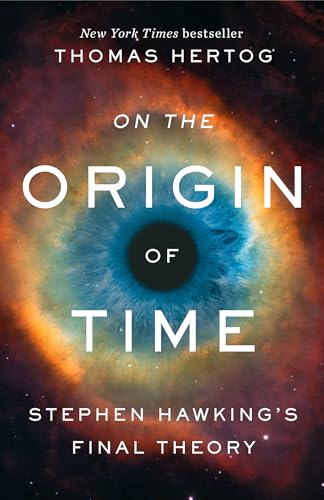
On the Origin of Time: Stephen Hawking's Final Theory
 Finde On the Origin of Time: Stephen Hawking's Final Theory
Produktfakten auf einen Blick zur EAN 9780593128466
- Hersteller
- Bantam
- EAN
- 9780593128466
- Hersteller-Artikelnr.
- 7414251
- Kategorie
- Bücher
- Günstigster Preis
- 13,44 € (averdo.com)
- Anbieter im Vergleich
- 3 Shops
- Preise aktualisiert
- 27.10.2026 18:27 Uhr
Produktbeschreibung
* Alle Preise inkl. MwSt., ggf. zzgl. Versandkosten. Preise und Verfügbarkeit können sich seit der letzten Aktualisierung geändert haben. Beim Klick auf „Zum Angebot" oder „Zum Shop" verlässt du EAN-Shopping.de und wirst zum jeweiligen Händler weitergeleitet. EAN-Shopping.de erhält ggf. eine Provision — für dich entstehen keine Mehrkosten. Letzte Aktualisierung: 27.10.2026 18:27 Uhr.


Häufige Fragen zur EAN 9780593128466
Beantwortet aus dem Preisverlauf der letzten 90 Tage, den aktuellen Händlerangeboten, den vorliegenden Bewertungen und der Nachfrage.
Preisdaten zuletzt aktualisiert: 27.10.2026 18:27 Uhr