Bildquelle: preigu de
Preisverlauf (90 Tage)
Tiefstwert (90 Tage): 15,18 €
Trend
Steigende Preise
Basierend auf den letzten 14 Tagen des Preisverlaufs.
Browser-Benachrichtigung bei PreissenkungWir melden uns, sobald es günstiger wird als heute (17,67 €) — höchstens einmal am Tag. Ohne E-Mail, ohne Konto, jederzeit abbestellbar. Amazon-Angebote sind ausgenommen. Datenschutz
Hinweis: Amazon-Preise sind in der Preisverfolgung bzw. im Preisverlaufsgraphen nicht enthalten. Wir versenden keine Benachrichtigungen zu Produkten über Amazon.
Kundenbewertungen
4,5/5
(4 Bewertungen)
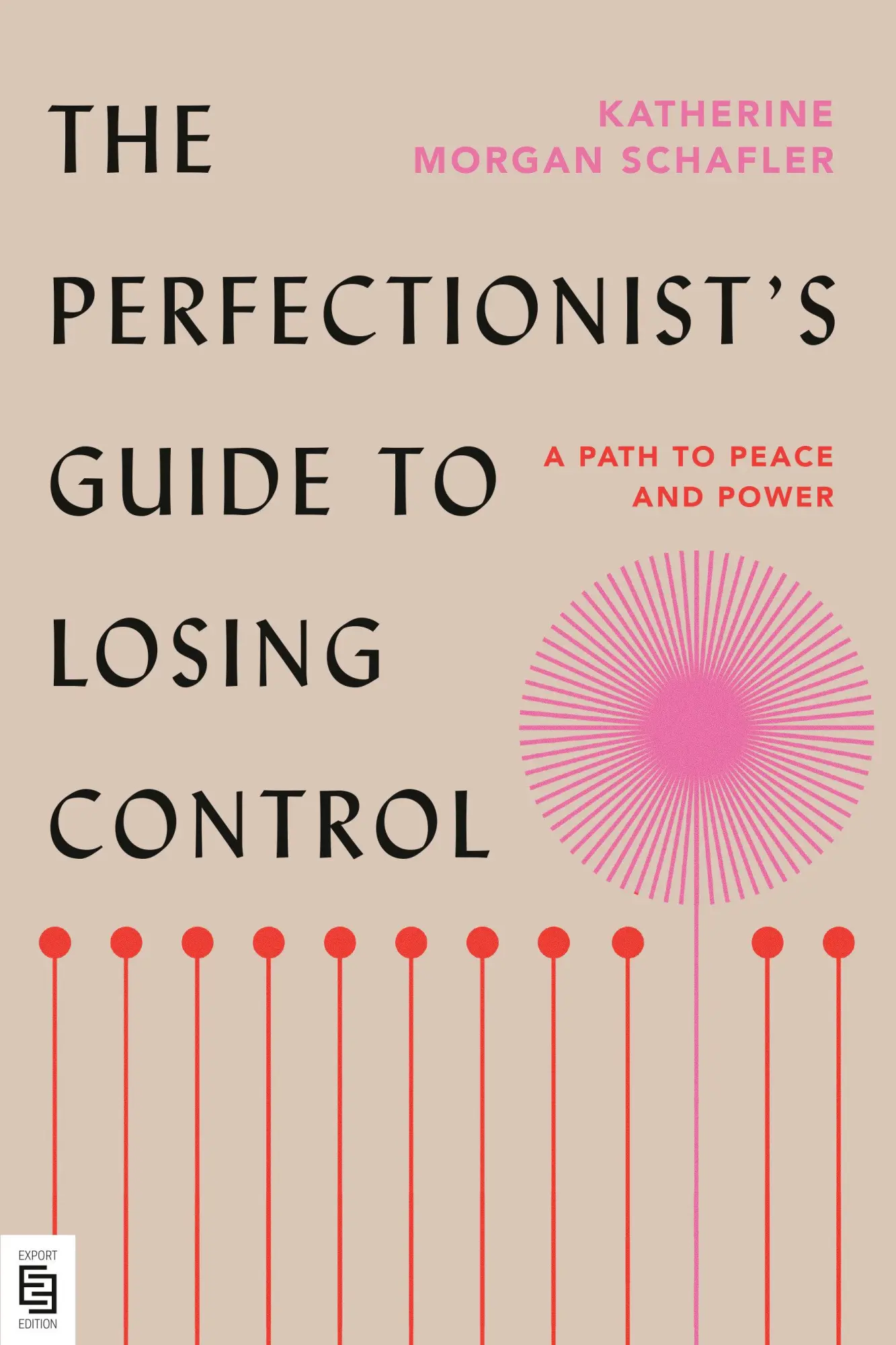
The Perfectionist's Guide to Losing Control: A Path to Peace and Power
Hersteller:
Portfolio
· MPN: 7467541
Günstigster Preis
17,67 €
inkl. MwSt.
Bei 3 Anbietern im Vergleich
Zuletzt aktualisiert: 19.10.2026 18:17 Uhr
Bei averdo.com kaufen — 17,67 €
Verfügbar · inkl. MwSt. · Versand k.A.
 Finde The Perfectionist's Guide to Losing Control: A Path to Peace…
Produktfakten auf einen Blick zur EAN 9780593544006
- Hersteller
- Portfolio
- EAN
- 9780593544006
- Hersteller-Artikelnr.
- 7467541
- Günstigster Preis
- 17,67 € (averdo.com)
- Anbieter im Vergleich
- 3 Shops
- Preise aktualisiert
- 19.10.2026 18:17 Uhr
- Gewicht
- 0.80248263368 kg
Produktbeschreibung
If you’ve ever: 1. Been told that you’re “too intense" 2. Felt dissatisfied with your accomplishments, no matter the significance 3. Been asked to relax or take it easy 4. Felt like your personality is the problem ....this book is for you. Psychotherapist and former on-site therapist at Google Katherine Schafler wants to get one thing straight: your perfectionism isn’t a problem, it’s a gift. It’s what makes you so brilliant and successful in the first place. And like any power, it just needs to be harnessed. In The Perfectionist’s Guide to Losing Control , Schafler outlines t
Preisvergleich
3 Angebote gefunden
1
averdo.com DE
Aktualisiert: 19.10.2026 18:16 Uhr
17,67 €
inkl. MwSt.
Zum Angebot
2
preigu.de DE
Aktualisiert: 19.10.2026 18:17 Uhr
17,75 €
inkl. MwSt.
Zum Shop
3
buchserien.de DE
Aktualisiert: 19.10.2026 18:15 Uhr
20,50 €
inkl. MwSt.
Zum Shop
* Alle Preise inkl. MwSt., ggf. zzgl. Versandkosten. Preise und Verfügbarkeit können sich seit der letzten Aktualisierung geändert haben. Beim Klick auf „Zum Angebot" oder „Zum Shop" verlässt du EAN-Shopping.de und wirst zum jeweiligen Händler weitergeleitet. EAN-Shopping.de erhält ggf. eine Provision — für dich entstehen keine Mehrkosten. Letzte Aktualisierung: 19.10.2026 18:17 Uhr.
Weitere Produkte von Portfolio
Alle Produkte →

Brooks, Arthur C.: From Strength to Strength
Portfolio
ab 21,99 €
inkl. MwSt.
1 Anbieter im Vergleich

Bet-David, Patrick: Choose Your Enemies Wisely
Portfolio
ab 24,46 €
inkl. MwSt.
1 Anbieter im Vergleich

Campbell, Matthew: Dead in the Water
Portfolio
ab 22,70 €
inkl. MwSt.
1 Anbieter im Vergleich

The Practice of Groundedness - Brad Stulberg Gebunden
Portfolio

Holiday, Ryan: Right Thing, Right Now
Portfolio
ab 16,69 €
inkl. MwSt.
1 Anbieter im Vergleich
Weitere Produkte in „“

Stone, Douglas: Thanks for the Feedback
Random House Books For Young Readers
ab 15,98 €
inkl. MwSt.
1 Anbieter im Vergleich

Peters, Steve: The Chimp Paradox
Vermilion
ab 16,69 €
inkl. MwSt.
1 Anbieter im Vergleich

Ferriss, Timothy: The 4-Hour Workweek
Harmony Books
ab 21,28 €
inkl. MwSt.
1 Anbieter im Vergleich

Reynolds, Garr: Presentation Zen
New Riders
ab 36,00 €
inkl. MwSt.
1 Anbieter im Vergleich

Tierney, John: The Power of Bad
Random House Books For Young Readers
ab 15,98 €
inkl. MwSt.
1 Anbieter im Vergleich
Häufige Fragen zur EAN 9780593544006
Beantwortet aus dem Preisverlauf der letzten 90 Tage, den aktuellen Händlerangeboten, den vorliegenden Bewertungen und der Nachfrage.
Ist The Perfectionist's Guide to Losing Control: A Path to Peace and Power gerade günstig?
Aktuell liegt der günstigste Preis bei 17,67 €. Das sind 16 % über dem 90-Tage-Tief von 15,18 €. Der Höchstwert lag bei 17,75 €. Zuletzt ist der Preis gestiegen.
Wie stark schwankt der Preis für The Perfectionist's Guide to Losing Control: A Path to Peace and Power?
In den letzten 90 Tagen bewegte sich der günstigste Preis zwischen 15,18 € und 17,75 € — eine Spanne von 17 %. Gemessen an 85 Tagen mit Preisdaten.
Lohnt sich der Preisvergleich bei The Perfectionist's Guide to Losing Control: A Path to Peace and Power?
Zwischen dem günstigsten und dem teuersten der 3 Anbieter liegen 2,83 € — das sind 16 % bei identischem Artikel.
Wie gut ist The Perfectionist's Guide to Losing Control: A Path to Peace and Power bewertet?
The Perfectionist's Guide to Losing Control: A Path to Peace and Power kommt auf 4,5 von 5 Sternen aus 4 Bewertungen. Das ist eine ausgezeichnete Bewertung. Bei dieser geringen Zahl an Stimmen ist der Wert allerdings noch wenig belastbar.
Wo ist The Perfectionist's Guide to Losing Control: A Path to Peace and Power am günstigsten?
Den niedrigsten Gesamtpreis bietet averdo.com mit 17,67 € versandkostenfrei.
Preisdaten zuletzt aktualisiert: 19.10.2026 18:17 Uhr