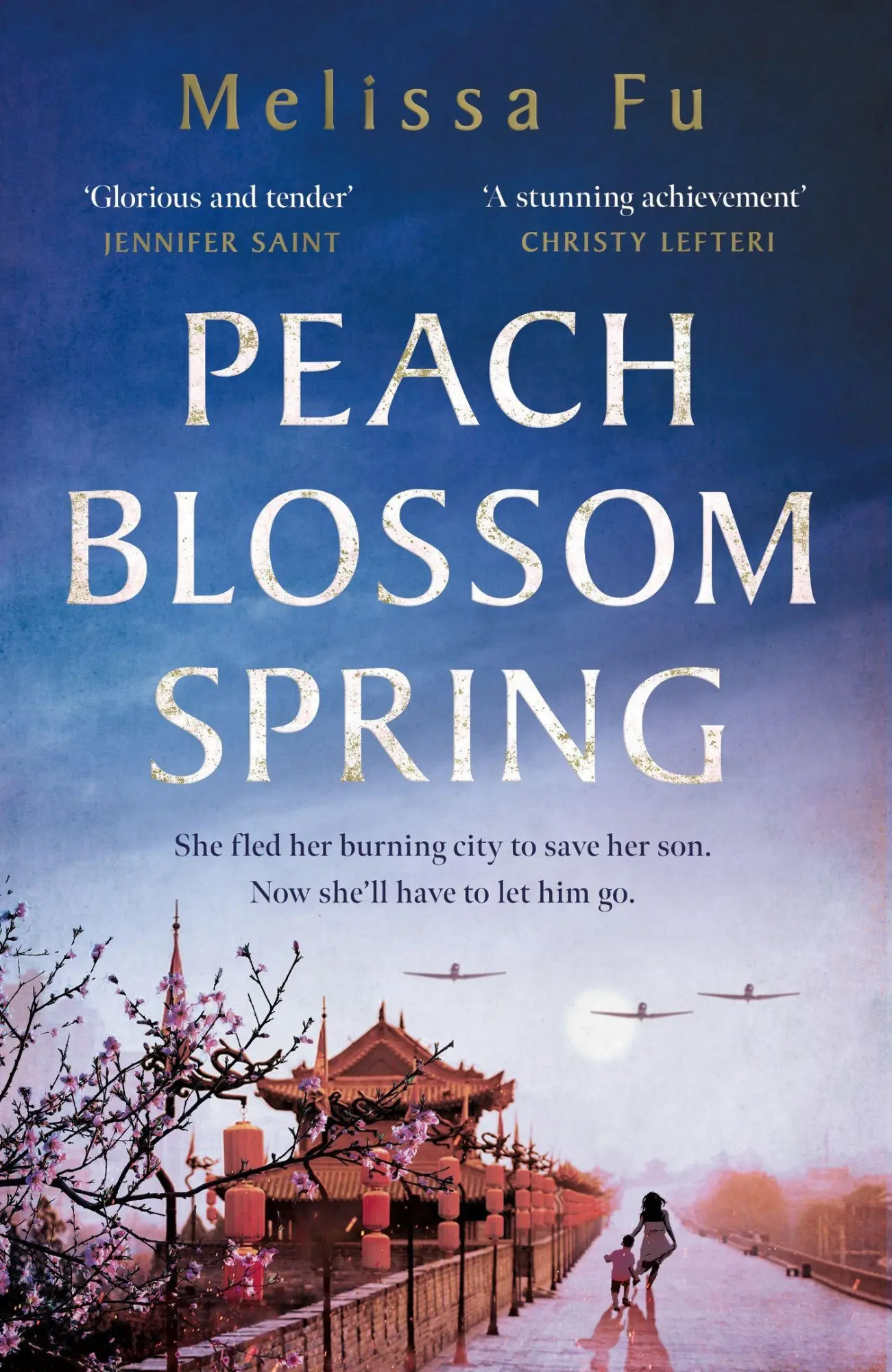
Bildquelle: preigu de
Preisverlauf (90 Tage)
Tiefstwert (90 Tage): 16,30 €
Trend
Stabile Preise
Basierend auf den letzten 14 Tagen des Preisverlaufs.
Browser-Benachrichtigung bei PreissenkungWir melden uns, sobald das Produkt wieder lieferbar ist — höchstens einmal am Tag. Ohne E-Mail, ohne Konto, jederzeit abbestellbar. Amazon-Angebote sind ausgenommen. Datenschutz
Hinweis: Amazon-Preise sind in der Preisverfolgung bzw. im Preisverlaufsgraphen nicht enthalten. Wir versenden keine Benachrichtigungen zu Produkten über Amazon.
Kundenbewertungen
5,0/5
(3 Bewertungen)
Peach Blossom Spring - Melissa Fu Kartoniert (TB)
Hersteller:
Headline Publishing Group
· MPN: 782314
Günstigster Preis
16,30 €
inkl. MwSt.
Bei 1 Anbieter im Vergleich
Zuletzt aktualisiert: 29.09.2026 10:04 Uhr
Bei preigu.de kaufen — 16,30 €
Nicht verfügbar · inkl. MwSt. · Versand k.A. · 1-2 Wochen
 Finde Peach Blossom Spring - Melissa Fu Kartoniert (TB)
Produktfakten auf einen Blick zur EAN 9781472277572
- Hersteller
- Headline Publishing Group
- EAN
- 9781472277572
- Hersteller-Artikelnr.
- 782314
- Kategorie
- Bücher
- Günstigster Preis
- 16,30 € (preigu.de)
- Anbieter im Vergleich
- 1 Shops
- Preise aktualisiert
- 29.09.2026 10:04 Uhr
Produktbeschreibung
Peach Blossom Spring | A glorious, sweeping novel about family and the search for home | Melissa Fu
Preisvergleich
1 Angebote gefunden
* Alle Preise inkl. MwSt., ggf. zzgl. Versandkosten. Preise und Verfügbarkeit können sich seit der letzten Aktualisierung geändert haben. Beim Klick auf „Zum Angebot" oder „Zum Shop" verlässt du EAN-Shopping.de und wirst zum jeweiligen Händler weitergeleitet. EAN-Shopping.de erhält ggf. eine Provision — für dich entstehen keine Mehrkosten. Letzte Aktualisierung: 29.09.2026 10:04 Uhr.
Weitere Produkte von Headline Publishing Group

The Birdcage Library
Headline Publishing Group
ab 24,35 €
inkl. MwSt.
1 Anbieter im Vergleich
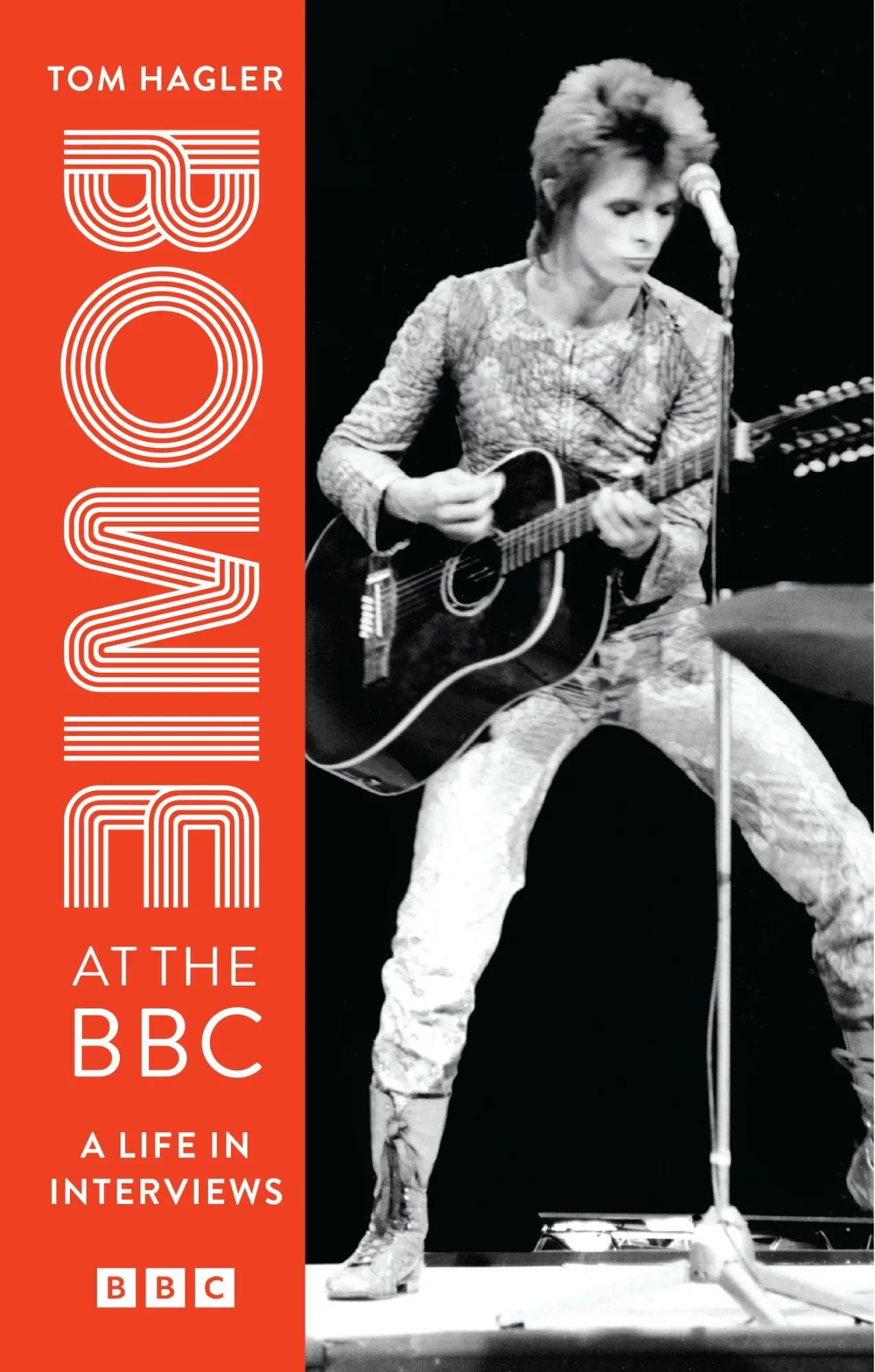
Bowie at the BBC
Headline Publishing Group
ab 17,20 €
inkl. MwSt.
1 Anbieter im Vergleich
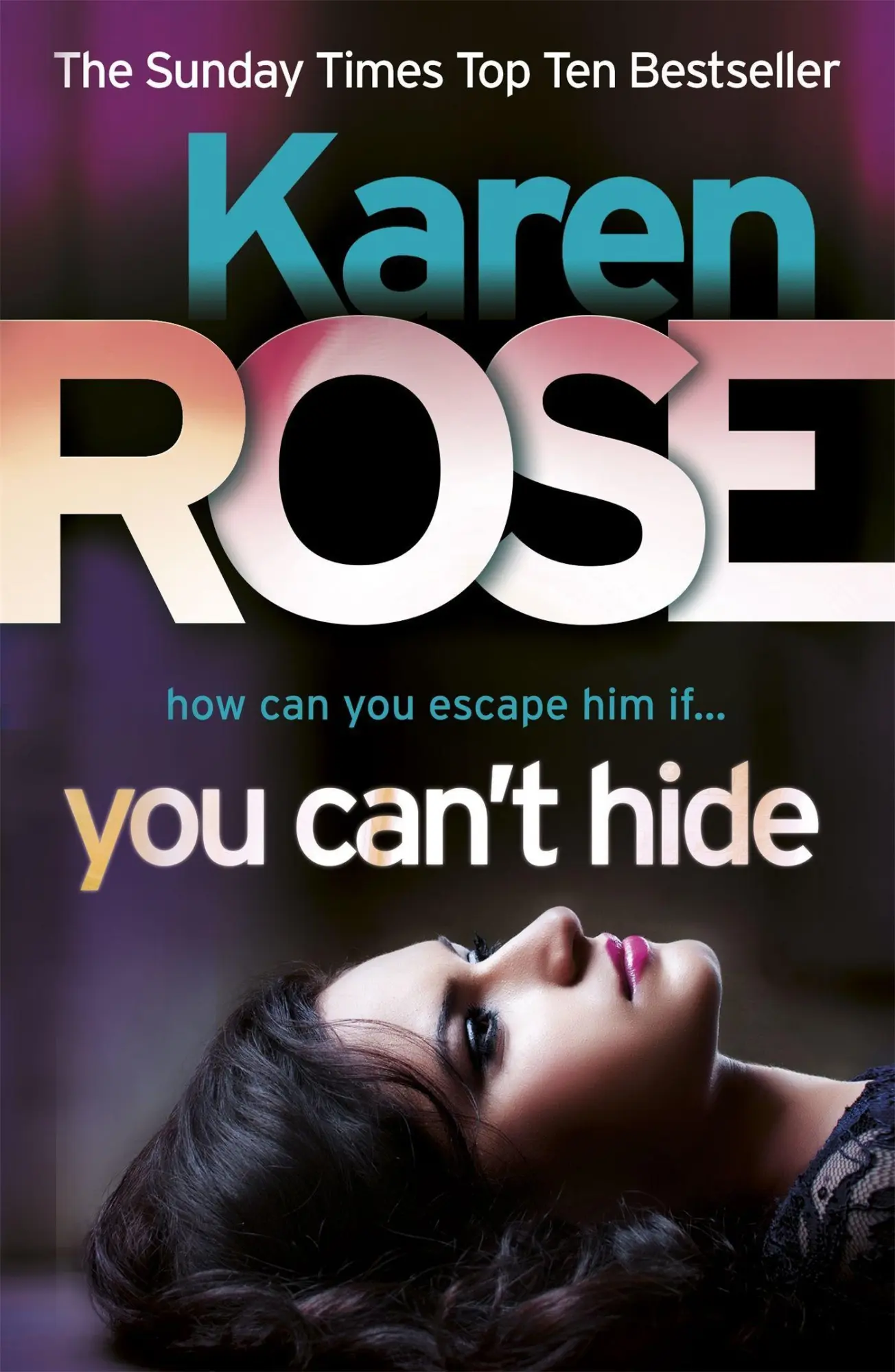
You Can't Hide (The Chicago Series Book 4)
Headline Publishing Group
ab 18,30 €
inkl. MwSt.
1 Anbieter im Vergleich
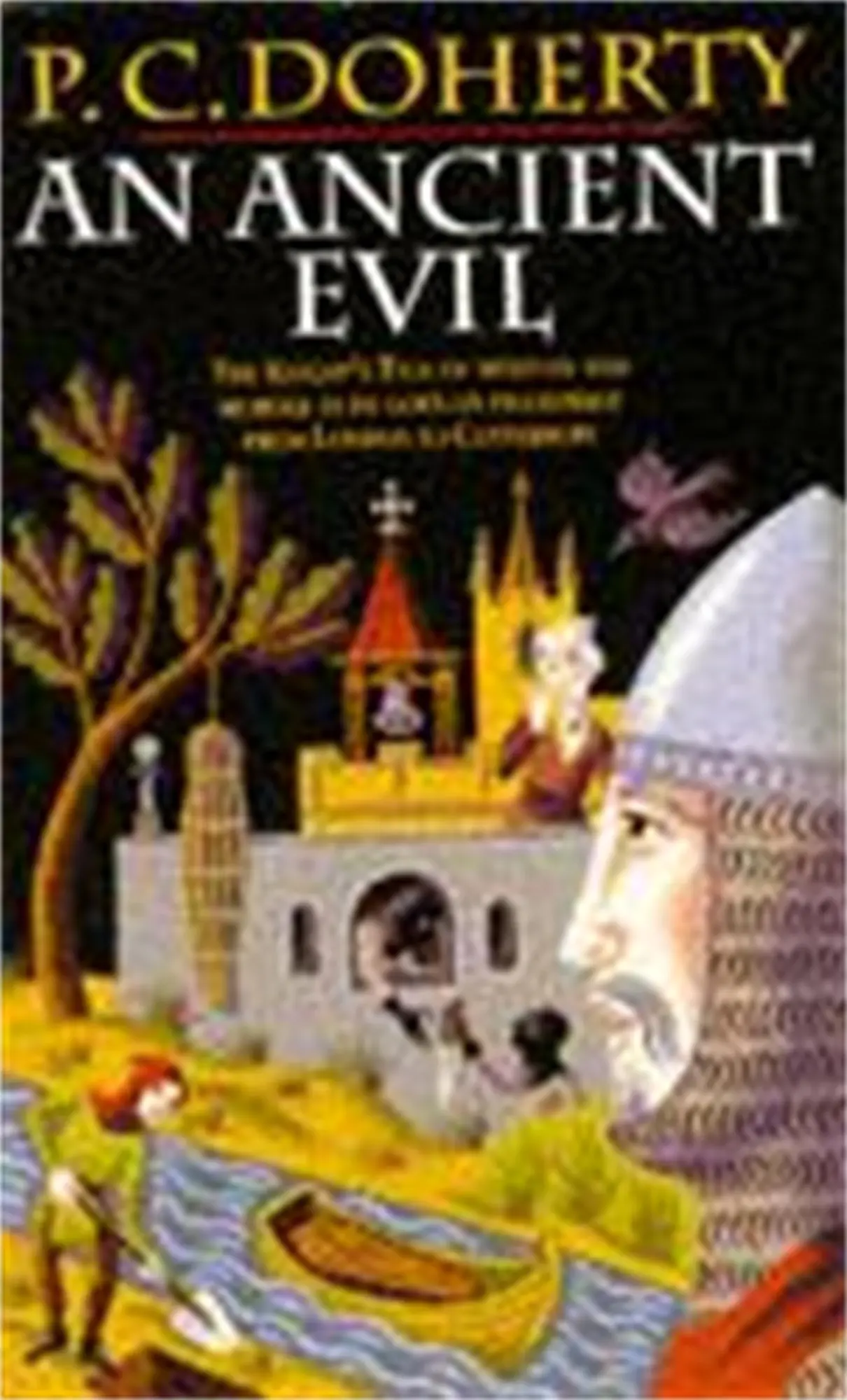
An Ancient Evil (Canterbury Tales Mysteries, Book 1)
Headline Publishing Group
ab 18,30 €
inkl. MwSt.
1 Anbieter im Vergleich
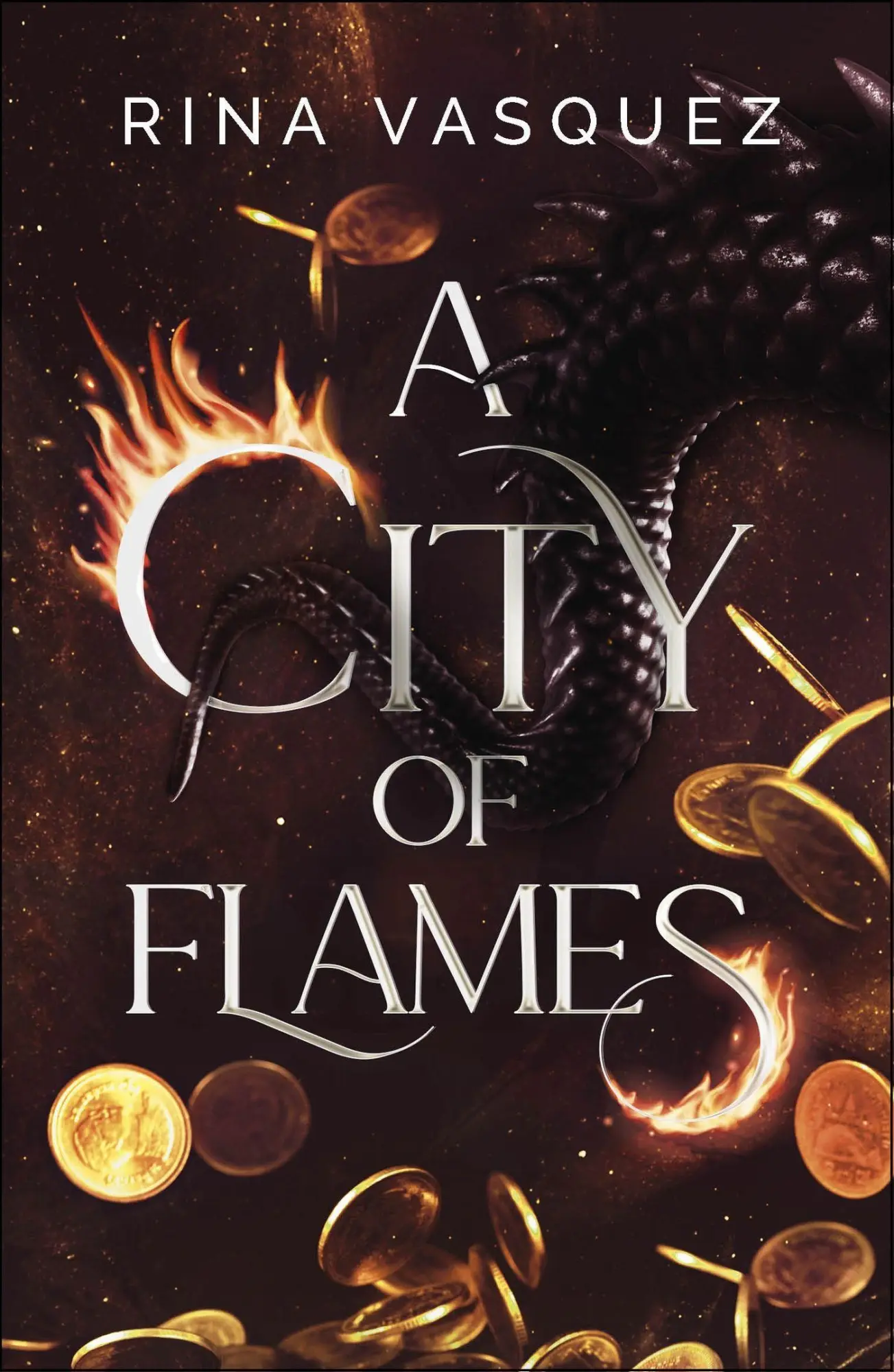
A City of Flames
Headline Publishing Group
ab 18,30 €
inkl. MwSt.
1 Anbieter im Vergleich
Weitere Produkte in „Bücher“
Alle in Kategorie →

Clairefontaine 73306C Heft (DIN A4, 21 x 29,7 cm, gebund Age
Clairefontaine
ab 28,74 €
inkl. MwSt.
1 Anbieter im Vergleich
![Exacompta 55121E Premium Ordnungsmappe Harmonika. Aus extra starkem Colorspan-Karton DIN A4 12 Fächer und 2 Gummizüge mit Indexfenster und dehnbarem Rücken Register-Mappe schwarz [Office Product]](https://m.media-amazon.com/images/I/412X8qnHnQL._SL500_.jpg)
Exacompta 55121E Premium Ordnungsmappe Harmonika. Aus extra
Exacompta
ab 78,30 €
inkl. MwSt.
1 Anbieter im Vergleich

Akku Duracell DR9945 1020 mAh 7,4 V Lithium-Ion für Kamera
Duracell
ab 25,19 €
inkl. MwSt.
3 Anbieter im Vergleich

10 x Rhodia Notizblock Rhodia Nr. 14 11x17cm liniert 80 Blat
Rhodia
ab 32,69 €
inkl. MwSt.
1 Anbieter im Vergleich

STAEDTLER Lumocolor 317 Permanent Marker – Rot, 10er Set, M,
Staedtler
ab 15,34 €
inkl. MwSt.
3 Anbieter im Vergleich